Arabic dialects: which Arabic do you need?
"Arabic" is really a family of varieties. Choosing the right one makes the difference between content that connects and content that sounds foreign.
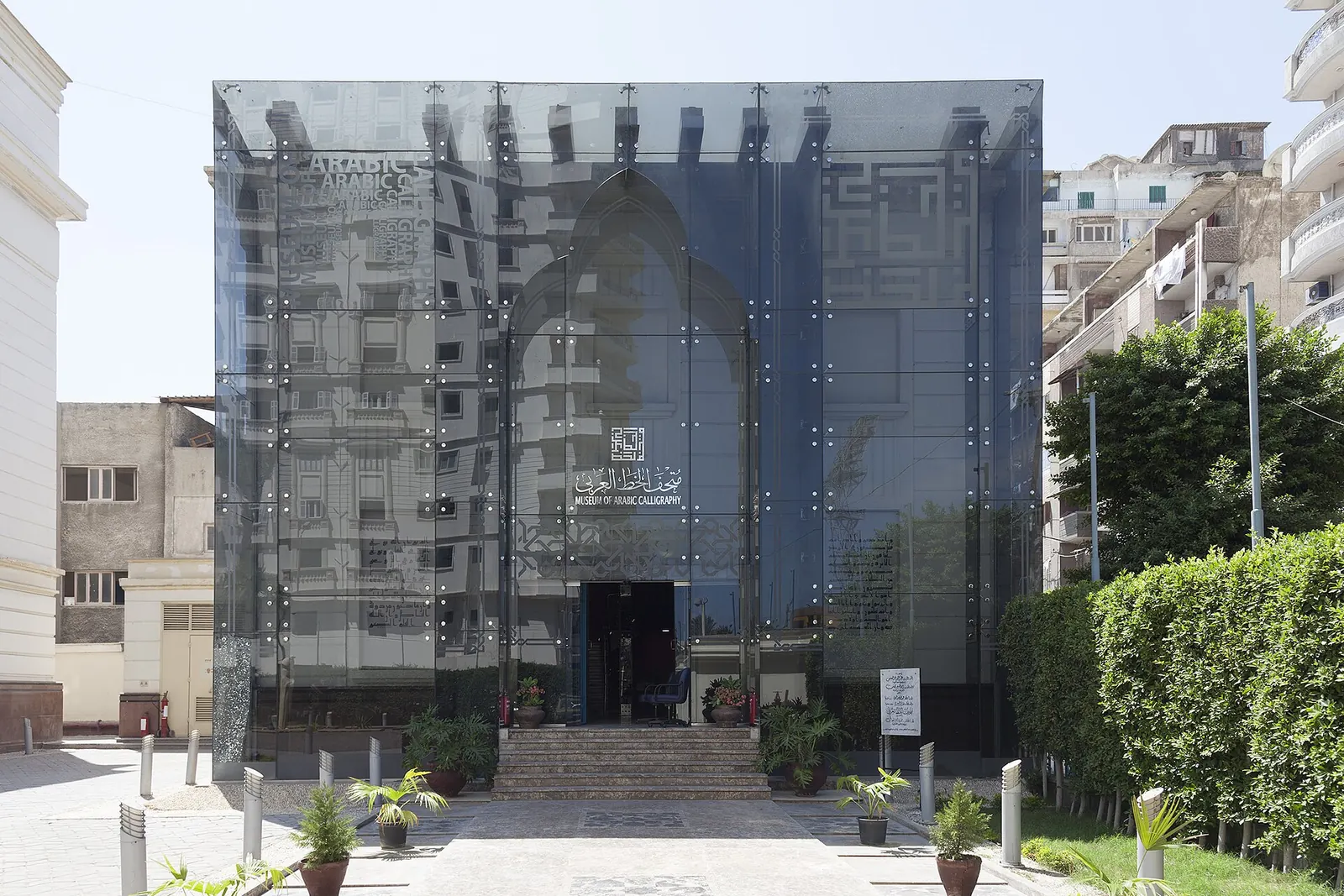
Arabic is the official language of more than 20 countries, but people don't speak the same Arabic everywhere. Linguists describe the situation as diglossia: one formal written language shared across the region, plus many spoken dialects used in daily life.
Modern Standard Arabic (MSA)
MSA, or الفصحى (al-fuṣḥā), is the formal language of writing, news broadcasts, government, education and business. It's understood by educated Arabic speakers everywhere, which makes it the default for:
- Official and legal documents
- Corporate websites and product information aimed at several countries
- Manuals, reports and technical content
- Healthcare and government information
The main dialect groups
| Dialect group | Where | Notes |
|---|---|---|
| Gulf (Khaleeji) | Saudi Arabia, UAE, Kuwait, Qatar, Bahrain, Oman | Important for Gulf marketing and customer service |
| Levantine | Lebanon, Syria, Jordan, Palestine | Widely understood thanks to TV drama; popular for subtitles |
| Egyptian | Egypt | The most widely understood dialect, thanks to Egyptian film and media |
| Iraqi (Mesopotamian) | Iraq | Distinct vocabulary; relevant for many US refugee and immigrant communities |
| Maghrebi | Morocco, Algeria, Tunisia, Libya | Hardest for eastern Arabs to follow; heavy French and Amazigh influence |
| Sudanese, Yemeni and others | Sudan, Yemen and beyond | Matter most for transcription and interviews |
How to choose
- Documents, legal, medical, technical: MSA, always.
- Website for several countries: MSA, with a modern, plain style.
- Marketing for one country: MSA with local flavour, or full dialect for social media.
- Voice-over and subtitles: MSA for neutral content; dialect for entertainment and local ads. See voice-over.
- Transcription: you need a transcriber who understands the speakers' dialect.
Arabic in the United States
US Arabic-speaking communities come from across the region: Lebanese, Syrian and Iraqi communities in Michigan, Egyptian and Palestinian communities in New Jersey and New York, Yemeni communities in Michigan, New York and California, and many more. For community outreach in the US, MSA is the safest written choice, ideally reviewed for plain, accessible wording.
Not sure which Arabic you need? Tell us your audience when you request a quote and we'll recommend one.