USCIS Arabic translation requirements, explained
If you're filing a petition or application with Arabic-language documents, here's exactly what USCIS expects from the translation.
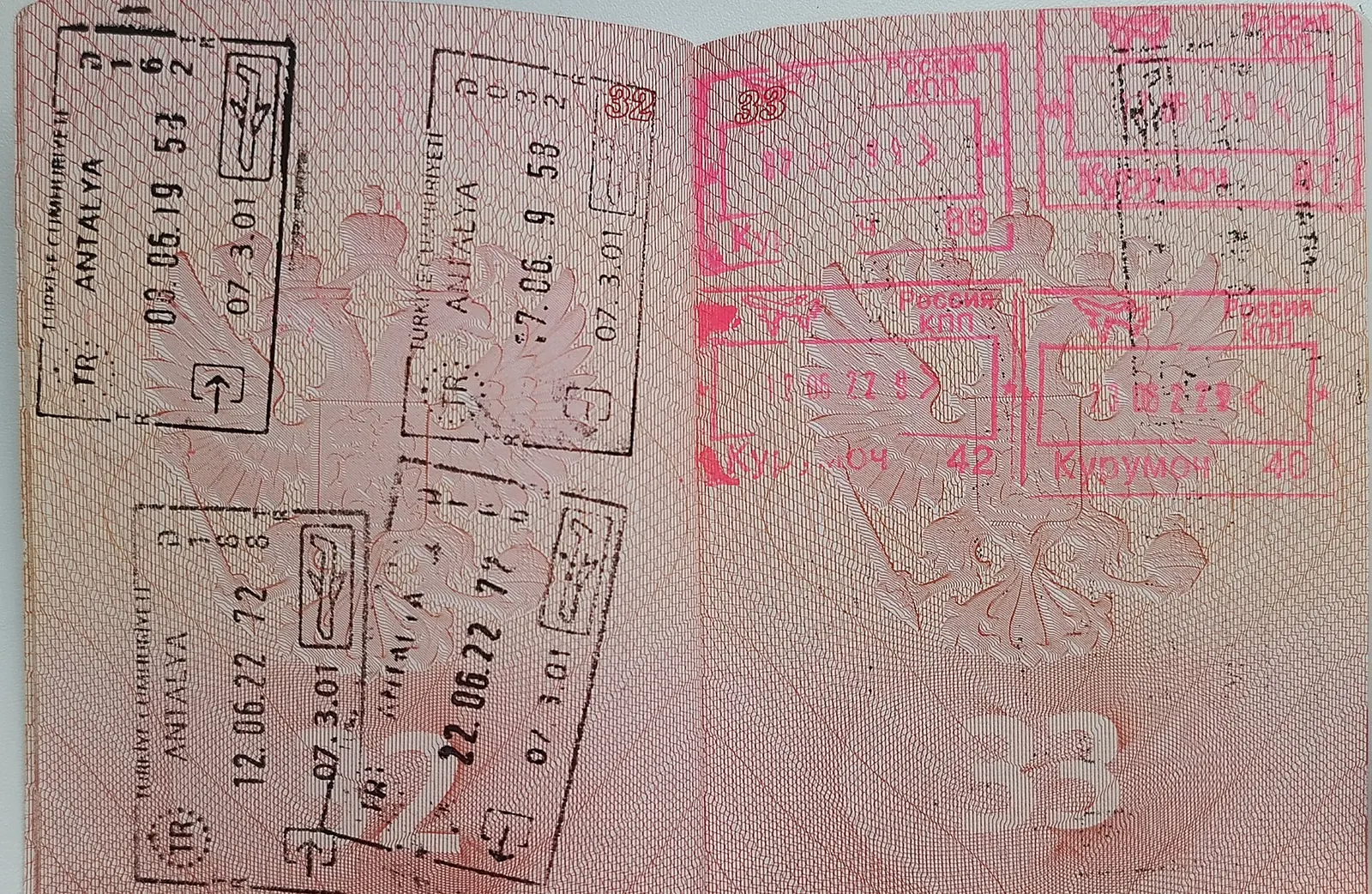
Family petitions, adjustment of status, naturalization and many other USCIS filings require civil documents such as birth certificates, marriage contracts, divorce decrees and police records. When those documents are in Arabic, they must be accompanied by an English translation that meets a specific standard.
The rule in plain English
Under the federal regulations that govern USCIS filings (8 CFR 103.2(b)(3)), any document in a foreign language must be accompanied by a full English translation that the translator has certified as complete and accurate, together with the translator's certification that they are competent to translate from the foreign language into English.
That gives three requirements:
- Full: the whole document, not a summary or extract.
- Certified as complete and accurate: a signed statement from the translator.
- Competency statement: the translator confirms they are competent in both languages.
What USCIS does not require
- Notarization: not required for USCIS. See when notarization is needed.
- A specific credential: USCIS does not require the translator to hold a particular certification, but the translator must be competent and should be independent of the applicant.
- The original document: you normally submit a copy of the original Arabic document together with the translation, unless the form instructions say otherwise.
What a certification looks like
Certification of Translation Accuracy
I, [translator's name], certify that I am competent to translate from Arabic into English, and that the attached English document is a complete and accurate translation of the attached Arabic document entitled [document title].
Signature: ____________ Date: ________
Name, address and contact details
This is an illustration only. Every certified translation we deliver includes a signed certification prepared for USCIS use.
Common mistakes that lead to RFEs
- Partial translations: stamps, seals, side notes or the back of the page left untranslated.
- Inconsistent names: a spouse's name spelled differently on the translation, the passport and the forms.
- Machine translation: obvious errors in dates, places or relationships.
- Missing certification or an unsigned one.
- Illegible copies of the original that the officer can't compare with the translation.
Your checklist before filing
- Every Arabic document has a full certified English translation attached.
- Names, dates of birth and places match across all documents and forms.
- The copy of the original is clear and complete, front and back.
- Hijri dates are shown as written, with the Gregorian equivalent where helpful (see names and dates).
This article is general information, not legal advice. Always follow the current instructions for your USCIS form and consult an immigration attorney about your case.